


What Is Visual Inspection? Visual Inspection in Quality Control (QC)
What Is Visual Inspection? The Role of Visual Inspection in Detecting Product Defects
In manufacturing, Visual Inspection is the first and most fundamental step in detecting product defects related to appearance, such as scratches, deformation, color deviation, cracks, breakage, missing components, packaging errors, or labeling defects.
Early detection of product defects not only helps businesses reduce costs, but also protect brand reputation and corporate image in the market. In the following article, Mina Tech provides a comprehensive overview of the visual inspection process and the benefits businesses gain from applying this solution.
What Is Visual Inspection?
Visual Inspection (also known as Vision Inspection) is the process of visually evaluating the external characteristics of a product, including color, shape, surface finish, labels, markings, and easily recognizable details, either by the naked eye or with the assistance of industrial cameras and inspection tools.
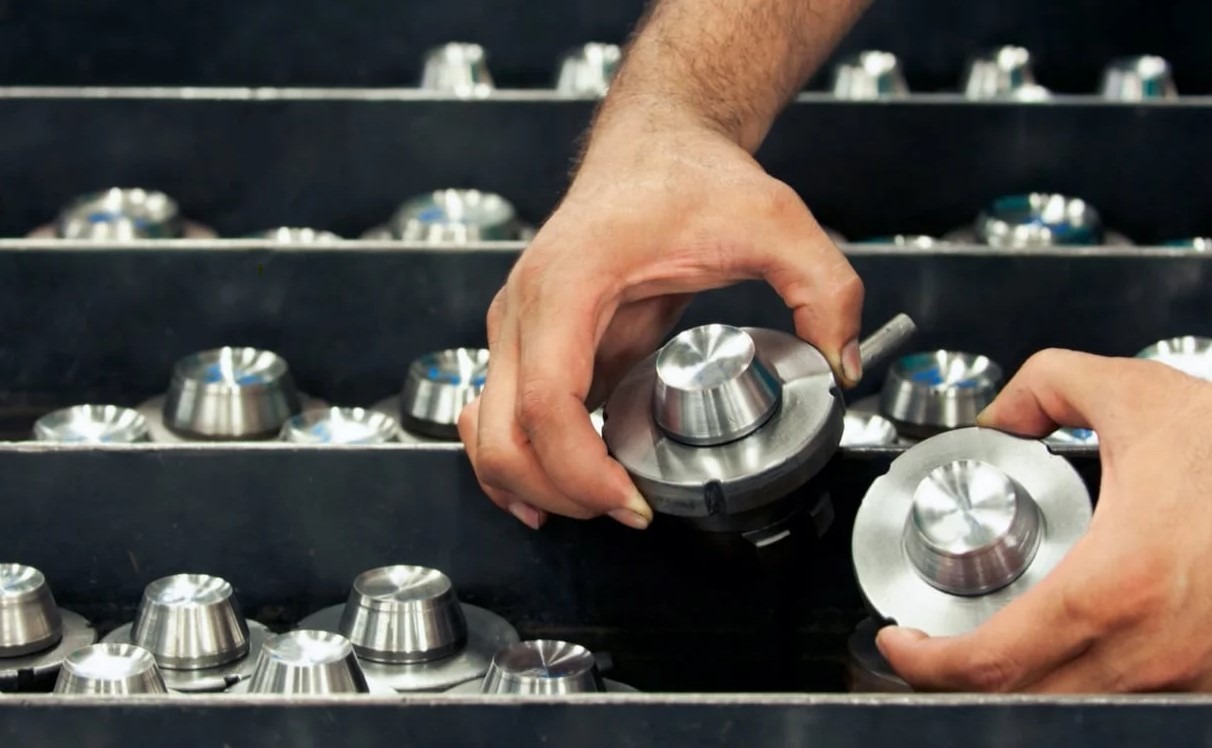
Visual inspection is an indispensable step in Quality Control (QC), especially in industries such as:
-
Electronics and electronic components
-
Precision mechanical engineering
-
Packaging
-
Automotive manufacturing
-
Food and beverage
-
Pharmaceuticals and medical devices
Implementing effective visual inspection helps businesses prevent risks, reduce defect rates, and enhance brand credibility.
Common Manufacturing Issues and the Need for Visual Inspection
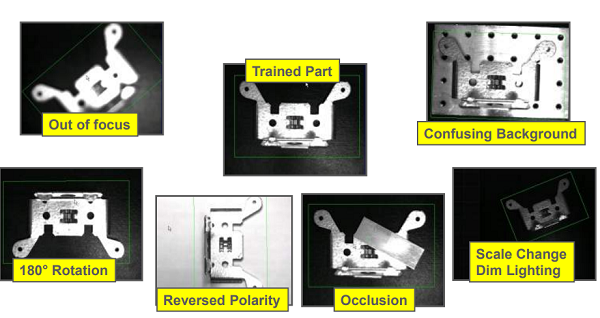
In modern industrial production—particularly in electronics, mechanical processing, food, and pharmaceutical factories—quality control remains a major challenge. Common issues include:
-
Missing components on electronic PCBs: Some circuit boards may lack components, while the root cause is difficult to identify without timely inspection.
-
Dimensional inspection of machined parts: Precision manufacturing requires continuous, fast, and accurate dimensional verification.
-
Product identification and classification on conveyor systems: In smart factories or automated warehouses, robots must accurately identify products on conveyor belts to perform picking operations.
-
Detection of printing and packaging defects: Blurred packaging, unreadable barcodes, or incorrect label placement are common issues that must be detected before products reach the market.
-
Blister inspection in pharmaceutical production: Ensuring blister packs contain the correct number of tablets and that tablets are not cracked or broken.
👉 The solution to these challenges is the application of automated visual inspection systems using Machine Vision technology, enabling businesses to improve quality, reduce errors, and increase production efficiency.
The Role of Visual Inspection Solutions

In the era of Industry 4.0, visual inspection solutions are widely applied across industrial manufacturing, healthcare, pharmaceuticals, education, and security.
Previously, visual inspection was performed manually, heavily dependent on human judgment, leading to errors and inefficiencies. Today, with the rapid development of artificial intelligence (AI), image processing, machine learning, and industrial camera systems, visual inspection can be fully automated.
These advanced systems are capable of high-speed image analysis and micro-defect detection with high accuracy, helping businesses to:
-
Reduce human-related errors
-
Increase inspection speed
-
Optimize operational costs
-
Ensure consistent product quality
Modern visual inspection solutions are also highly customizable, adapting to different product types and production environments—from electronic assembly lines to food and pharmaceutical manufacturing.
Benefits of Visual Inspection Solutions for Manufacturing Businesses
1. Improved Product Quality
Visual inspection ensures that products comply with strict standards for appearance, color, dimensions, and surface finish before leaving the production line.
2. Early Defect Detection
Applying visual inspection early in the production process helps identify defects such as missing parts, incorrect components, blurred printing, or wrong codes, preventing costly rework or recalls after shipment.
3. Enhanced Customer Satisfaction and Experience
Products with consistent appearance and high quality create a professional impression, improve user experience, and build customer trust.
4. Process Optimization Through Data Feedback
Modern visual inspection systems also serve as data analysis tools. Defect reports and inspection data allow businesses to quickly adjust production processes and continuously improve operational efficiency and product quality.
Applications of Visual Inspection in Industrial Sectors
1. Electronics Industry
Visual inspection plays a vital role in evaluating the quality of printed circuit boards (PCBs), electronic devices, and sensor modules, detecting defects such as missing components, solder misalignment, or cracked parts.
2. Semiconductor Industry
In semiconductor manufacturing, visual inspection systems are used to inspect integrated circuits (ICs), transistors, LEDs, and other micro-components. High-resolution imaging enables detection of extremely small defects that are difficult to identify with the naked eye.
3. Industrial Manufacturing
In factories producing metal, plastic, wood, or precision mechanical components, visual inspection ensures accurate shape, surface quality, and dimensional compliance, detecting scratches, cracks, or size deviations.
4. Medical and Pharmaceutical Industry
With strict quality and safety requirements, the healthcare sector uses visual inspection systems to inspect medical devices, pharmaceutical packaging, blister packs, tablets, and labels to ensure compliance with regulatory standards.
Conclusion
Visual Inspection is a fundamental pillar of modern quality control. Implementing advanced visual inspection solutions enables businesses to improve product quality, reduce risks, and enhance competitiveness in today’s demanding manufacturing environment.
If your business is looking for visual inspection solutions, sorting services, quality control, or production automation, please contact Mina Tech for professional consultation and tailored solutions.
MINA TECH VN PRODUCTION AND TRADING SERVICES COMPANY LIMITED
Sorting services, visual inspection, product classification, and OK/NG separation in compliance with customer quality standards.
Contact Information
- Hotline: 0368590176
- Branch 1: KCN Yên Bình, Phổ Yên, Thái Nguyên
- Branch 2: Thị Trấn Bích Động, Việt Yên, Bắc Giang
- peter.nguyen@minavina.com
- Provided Services: Sorting, Human Resource Supply and Labor Leasing, Electronics Assembly, Sorting services