


PRODUCT VISUAL INSPECTION STANDARDS
In today’s highly competitive manufacturing environment, product visual inspection standards play a critical role in ensuring product quality, minimizing risks, and protecting brand reputation. Visual inspection not only helps detect product defects at an early stage, but also enables businesses to standardize production processes and comply with international quality requirements.
This article provides a comprehensive and practical overview of visual inspection standards, covering definitions, evaluation criteria, inspection processes, common defects, and the professional visual inspection services provided by Mina Tech.
1. What Is Product Visual Inspection?
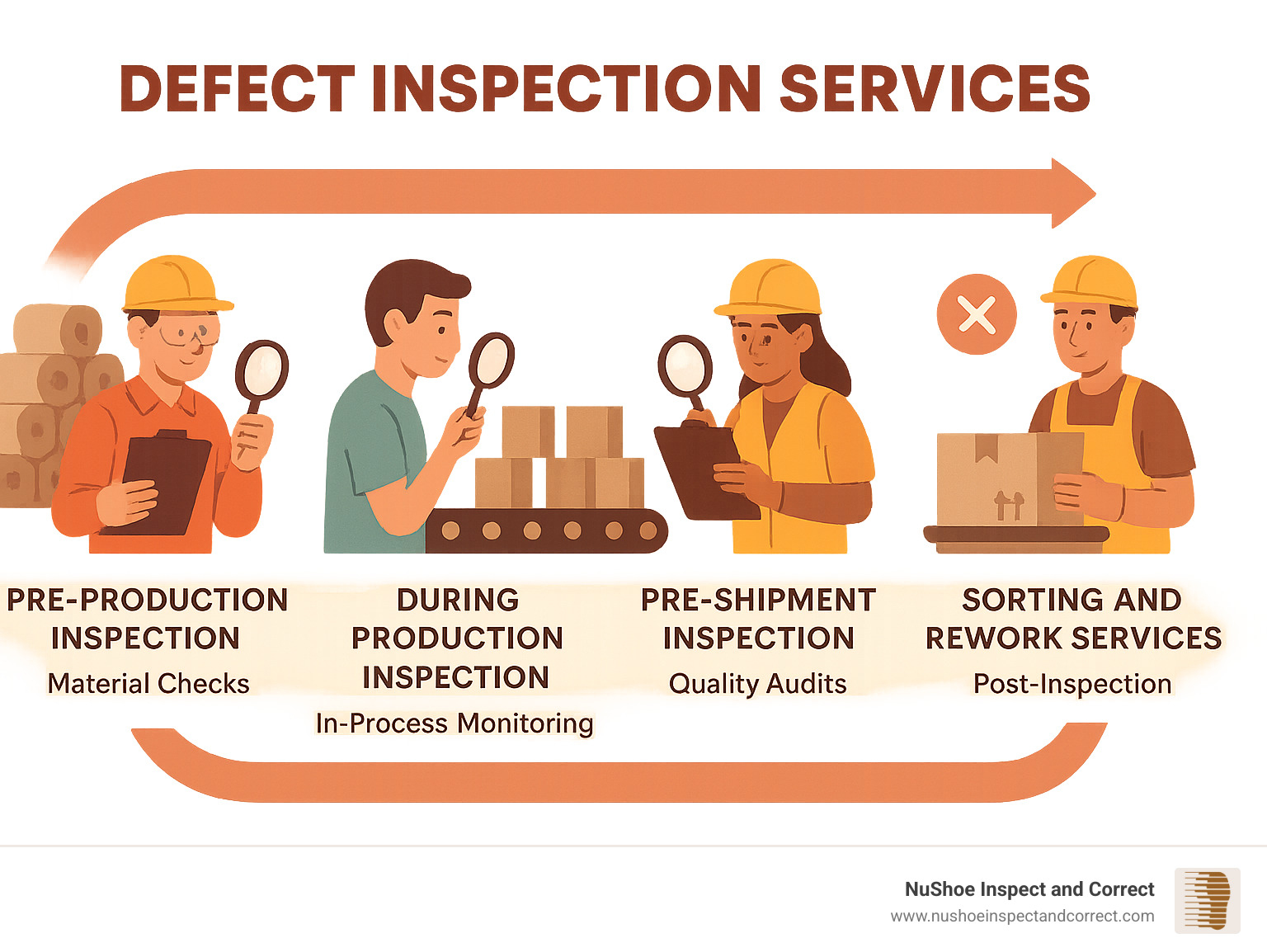
Visual Inspection (also known as Sorting Inspection) is the process of evaluating a product’s surface condition, appearance, structure, and finishing quality using human vision, assisted tools, or automated systems such as Machine Vision.
The main objective is to identify defects including scratches, cracks, deformation, discoloration, printing errors, missing parts, or incorrect assembly. Visual inspection is typically conducted before shipment, during incoming/outgoing quality control, or in-line during production to prevent defects from spreading.
2. Why Are Visual Inspection Standards Important?
-
Brand protection: Even minor visual defects can negatively impact customer perception.
-
Cost reduction: Early defect detection prevents costly rework, recalls, and returns.
-
Consistency assurance: Uniform visual standards ensure product consistency across batches.
-
Regulatory compliance: Many industries require visual inspection under ISO, GMP, HACCP, or customer-specific standards.
3. Common Visual Inspection Standards
3.1. General Visual Standards
-
No cracks, deep scratches, or visible damage beyond acceptable limits
-
No deformation or structural distortion
-
Uniform and correct color according to reference samples
-
Clean surface, free from oil, dust, or contamination
3.2. Industry-Specific Standards
-
Electronics: solder joint quality, missing or misaligned components
-
Automotive & Mechanical: surface finish, dimensional accuracy
-
Food & Pharmaceuticals: packaging integrity, labels, seals
-
Packaging & Printing: color accuracy, text alignment, barcode readability
3.3. Customer-Specific Standards
Each customer may define customized checklists, AQL levels, defect classification criteria, and acceptance thresholds.
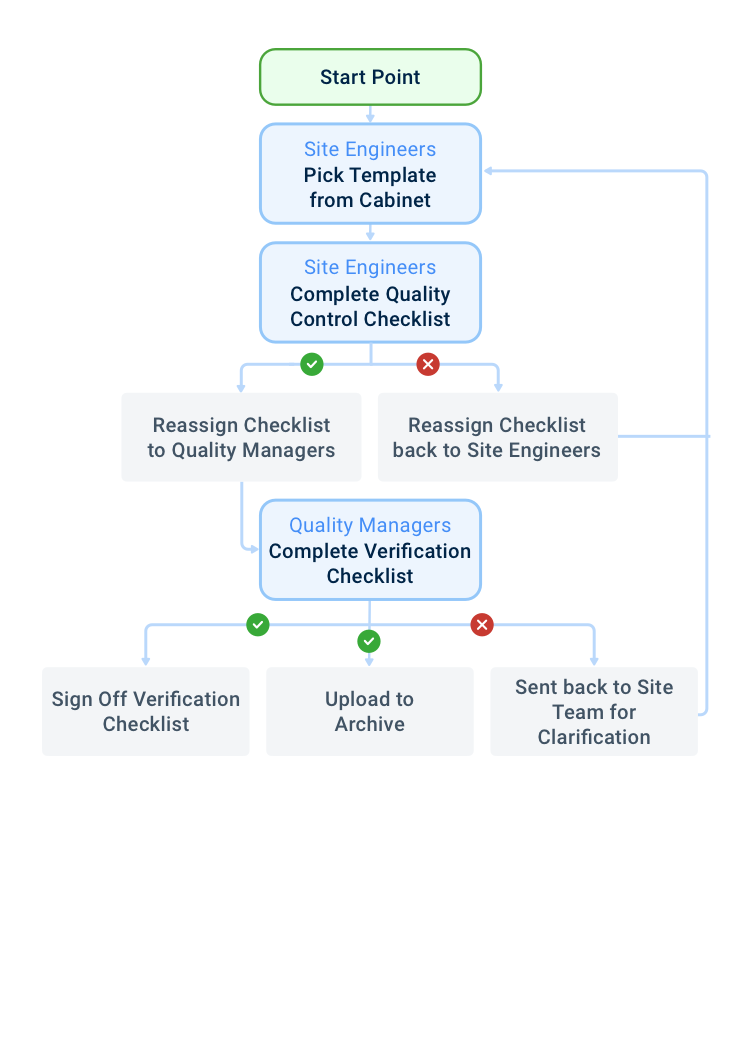
4. Standard Visual Inspection Process
-
Define inspection criteria and checklists
-
Prepare inspection personnel and equipment
-
Conduct inspection (100% inspection or sampling)
-
Classify results: OK / NG / Rework
-
Report findings and implement corrective actions
5. Manual Inspection vs. Automated Inspection (Machine Vision)
| Criteria | Manual Inspection | Machine Vision |
|---|---|---|
| Speed | Moderate | Very high |
| Accuracy | Human-dependent | High and consistent |
| Scalability | Limited | Highly scalable |
| Long-term cost | High | Cost-optimized |
👉 In practice, a hybrid model combining trained inspectors and automated systems delivers optimal results.
6. Common Visual Defects in Manufacturing
-
Scratches, cracks, surface damage
-
Color inconsistency or stains
-
Missing or misaligned components
-
Printing and labeling defects
-
Poor solder joints or burrs
7. Professional Visual Inspection Services by Mina Tech
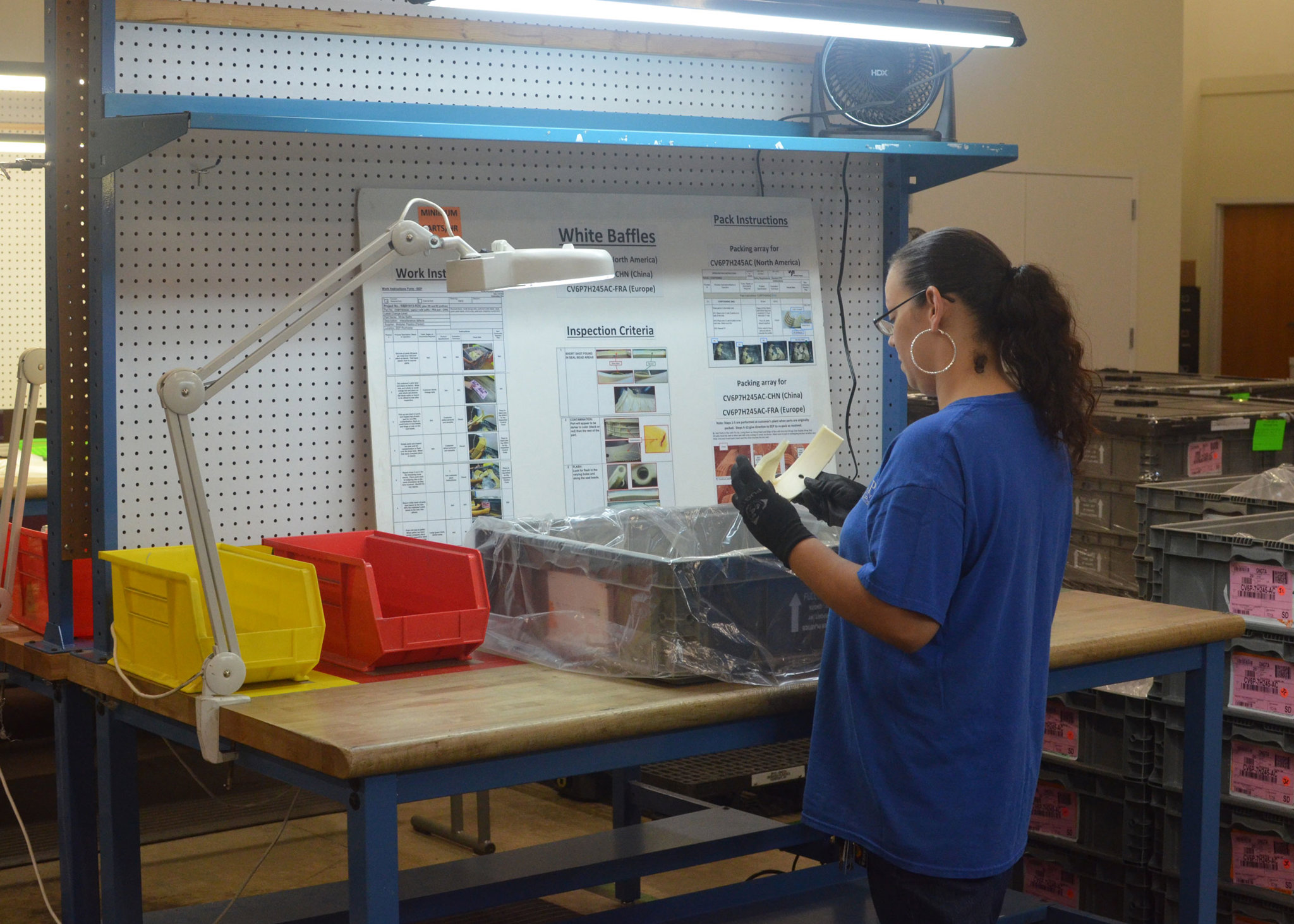
Mina Tech provides professional visual inspection and sorting services for manufacturing enterprises in Vietnam, especially in electronics, automotive, FMCG, and logistics sectors.
Key advantages:
-
Deployment within 8 working hours
-
Inspectors trained in visual inspection standards
-
100% inspection or AQL-based inspection
-
Transparent reporting and clear defect classification
👉 Learn more about visual inspection and sorting services
8. When Should Businesses Outsource Visual Inspection?
-
Urgent orders or manpower shortages
-
Peak production seasons
-
Inventory inspection or export shipments
-
Need for consistent and objective quality control
9. Conclusion
Product visual inspection standards form the foundation of quality assurance, cost optimization, and sustainable brand development. Partnering with a professional visual inspection provider like Mina Tech enables businesses to ensure consistent quality, reduce operational risks, and enhance competitiveness.
MINA TECH VN PRODUCTION AND TRADING SERVICES COMPANY LIMITED
Sorting services, visual inspection, product classification, and OK/NG separation in compliance with customer quality standards.
Contact Information
- Hotline: 0368590176
- Branch 1: KCN Yên Bình, Phổ Yên, Thái Nguyên
- Branch 2: Thị Trấn Bích Động, Việt Yên, Bắc Giang
- peter.nguyen@minavina.com
- Provided Services: Sorting, Human Resource Supply and Labor Leasing, Electronics Assembly, Sorting services