


Long-Term Workforce Solutions for Manufacturing – Sustainable HR Strategy
In today’s competitive landscape, establishing long-term workforce solutions is critical for manufacturers to stabilize operations, boost productivity, and optimize labor costs. Human resources are not just workers—they are strategic assets that influence business continuity and growth.
1. Building a Human Resource Strategy Aligned with Business Goals
One of the most important human resource management solutions is ensuring that the HR strategy is always aligned with the company’s vision and business objectives. Human resources are not merely an execution force; they are the decisive factor in turning development plans into reality.

Building a Human Resource Strategy Aligned with Business Goals
1.1. Why Is It Necessary to Align HR Strategy with Business Goals?
When the HR strategy is closely connected to the overall development direction, businesses can establish a sustainable HR management solution that optimizes resources and enhances overall performance. Specifically, this alignment helps to:
-
Ensure that positions, competencies, and skill sets within the organization truly match the development orientation.
-
Avoid wasting resources on HR activities that do not deliver strategic value.
-
Enable smoother coordination between top management and the HR department in decision-making related to recruitment, training, and talent retention.
-
Increase adaptability when the company shifts direction, restructures, or expands its scale.
1.2. How to Implement an HR Strategy Linked to Business Goals
Businesses can consider the following methods and tools to build a clearly oriented HR system:
-
Clearly define business goals (short-term and long-term), then analyze corresponding HR needs for each development stage.
-
Use the OKR (Objectives and Key Results) framework to connect corporate goals with departmental and individual objectives.
-
Apply the BSC (Balanced Scorecard) to balance performance indicators related to customers, processes, finance, and learning, including the role of human resources.
-
Design competency development roadmaps for key positions in line with expansion strategies or product/service innovation.
-
Maintain regular dialogue between leadership and HR to update goals, challenges, and adjust strategies in a timely manner.
Notes:
-
An HR strategy is not a static document; it must be continuously updated to adapt to a constantly changing business environment.
-
Alignment should occur at both senior leadership and middle management levels to ensure consistency across the entire organization.
2. Applying Technology to HR Management and Operations
Technology is an indispensable tool in modern HR solutions. The use of HR software and platforms enables businesses to automate processes, reduce errors, and make data-driven decisions.
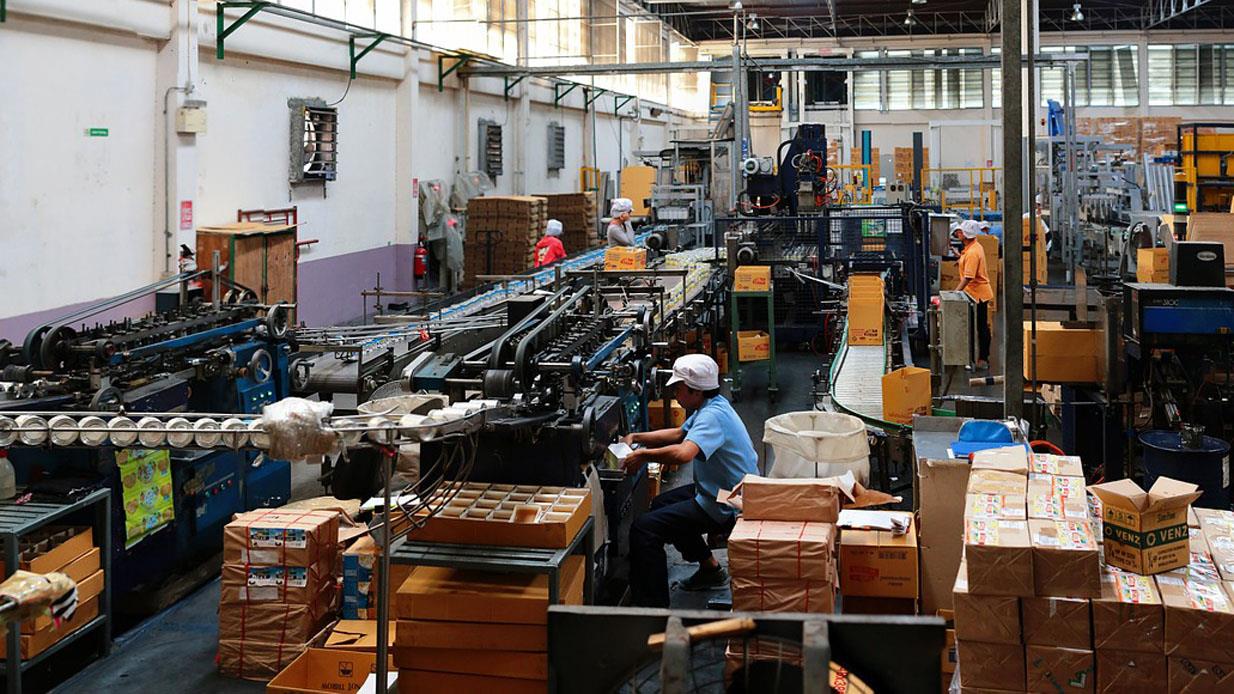
Applying Technology to HR Management and Operations
2.1. Common Technologies in HR Management Today
-
HRM/HRIS Systems: Integrate functions such as employee records, contracts, leave, insurance, training, and performance evaluation.
-
Automated Timekeeping and Payroll Software: Tracks working hours, shifts, overtime, and synchronizes payroll data accurately and transparently.
-
Performance Evaluation Platforms (KPIs, OKRs): Enable goal setting, tracking, and performance measurement while facilitating two-way feedback between employees and managers.
-
Applicant Tracking Systems (ATS): Automate recruitment processes from job posting to resume screening, interviews, and candidate data storage.
-
Internal Communication and Management Platforms: Connect departments, enhance communication, and maintain corporate culture in flexible or remote working environments.
2.2. Benefits of Applying Technology in HR Management
-
Time savings and reduced manual errors: Automation allows HR teams to focus on more strategic tasks.
-
Increased transparency and accuracy: Centralized data storage ensures easy access and accuracy in payroll, evaluations, and decision-making.
-
Improved employee experience: Employees can easily access personal information, payroll, leave, and performance reviews, making them feel supported and valued.
-
Data-driven decision support: Analytics and reporting tools help managers make decisions based on facts rather than intuition.
2.3. Key Considerations When Implementing HR Technology
-
Choose software that fits the company’s scale and actual needs to avoid unnecessary investment.
-
Train internal staff to use tools effectively to avoid underutilization.
-
Data security and privacy must be prioritized throughout implementation.
What criteria should be used to select HR management software that best meets operational needs?
3. Continuous Training and Team Development
In a rapidly changing market, employees’ knowledge and skills can quickly become outdated if not continuously updated. Therefore, companies aiming for sustainable growth must view training and development as a strategic investment rather than merely an operating cost.
Training not only enhances professional capabilities but also boosts engagement, improves performance, and supports succession planning. However, for training to be truly effective, it must be systematic and continuous rather than reactive or short-term.

Continuous Training and Team Development
3.1. Benefits of Continuous Team Development
-
Improve work skills, thereby enhancing performance and work quality.
-
Increase adaptability to new technologies, processes, and working methods.
-
Retain talent by providing clear development pathways and investment in growth.
-
Build a succession workforce for managerial or strategic positions.
3.2. Effective Training and Development Methods
-
On-the-job training: Learning through real work experiences, suitable for new employees or role changes.
-
Internal skill workshops: Knowledge sharing by experienced staff to reduce costs and strengthen internal cohesion.
-
External professional courses: Enhance specialized skills for technical or niche roles.
-
Coaching and mentoring: Guidance from managers or experienced professionals to develop leadership capabilities.
The 70-20-10 Model:
-
70% learning from hands-on experience.
-
20% learning through feedback and work relationships.
-
10% learning from formal training (courses, seminars, etc.).
3.3. Suggestions for Structured Training Implementation
-
Identify training needs by employee group or strategic position.
-
Design competency development roadmaps for each career stage.
-
Measure training effectiveness using indicators such as practical application and post-training performance.
-
Link training with evaluation and compensation systems to motivate learning.
4. Establishing a Fair and Transparent Performance Evaluation & Reward System
A clear performance evaluation and reward system is essential to motivate employees, retain top talent, and create a fair working environment. However, many companies still struggle with ineffective evaluation processes or lack transparency in reward policies, leading to dissatisfaction and reduced performance.
For sustainable growth, measurement, recognition, and rewards must be closely aligned with overall goals and implemented objectively.
4.1. Benefits of a Well-Structured Evaluation and Reward System
-
Boost motivation when efforts are recognized promptly and fairly.
-
Identify, nurture, and retain high-performing employees.
-
Foster a fair workplace culture and minimize internal conflicts.
-
Support leadership decisions on promotion, transfer, and training based on data.
4.2. Key Factors for Effective Performance Evaluation
-
Clear, measurable objectives: Employees must understand evaluation criteria and their relevance to job goals.
-
Regular evaluation cycles: Quarterly, semi-annual, or annual, ensuring consistency and updates.
-
Two-way feedback: Managers evaluate employees and vice versa, enhancing transparency and leadership skills.
-
Competency and results-based evaluation (KPI, OKR): Align individual outcomes with departmental and organizational results.
4.3. Principles for Building a Transparent Reward System
-
Reward the right people at the right time.
-
Diversify reward forms: cash, gifts, certificates, training opportunities, extra leave, or public recognition.
-
Link performance directly with rewards.
-
Publicize reward criteria and policies to build trust.
4.4. Key Considerations
-
Avoid subjective or data-poor evaluations.
-
Reward systems should be flexible and adaptable to development stages.
-
Combine quantitative (data) and qualitative (behavior, attitude) assessments for a holistic view.
5. Strengthening Internal Communication & Building Corporate Culture
An organization operates effectively only when all members understand common goals, collaborate well, and feel valued. That is why internal communication and corporate culture are essential components of modern HR strategies.
Effective communication goes beyond emails or announcements—it connects people to shared goals while fostering an open, transparent, and motivating workplace.
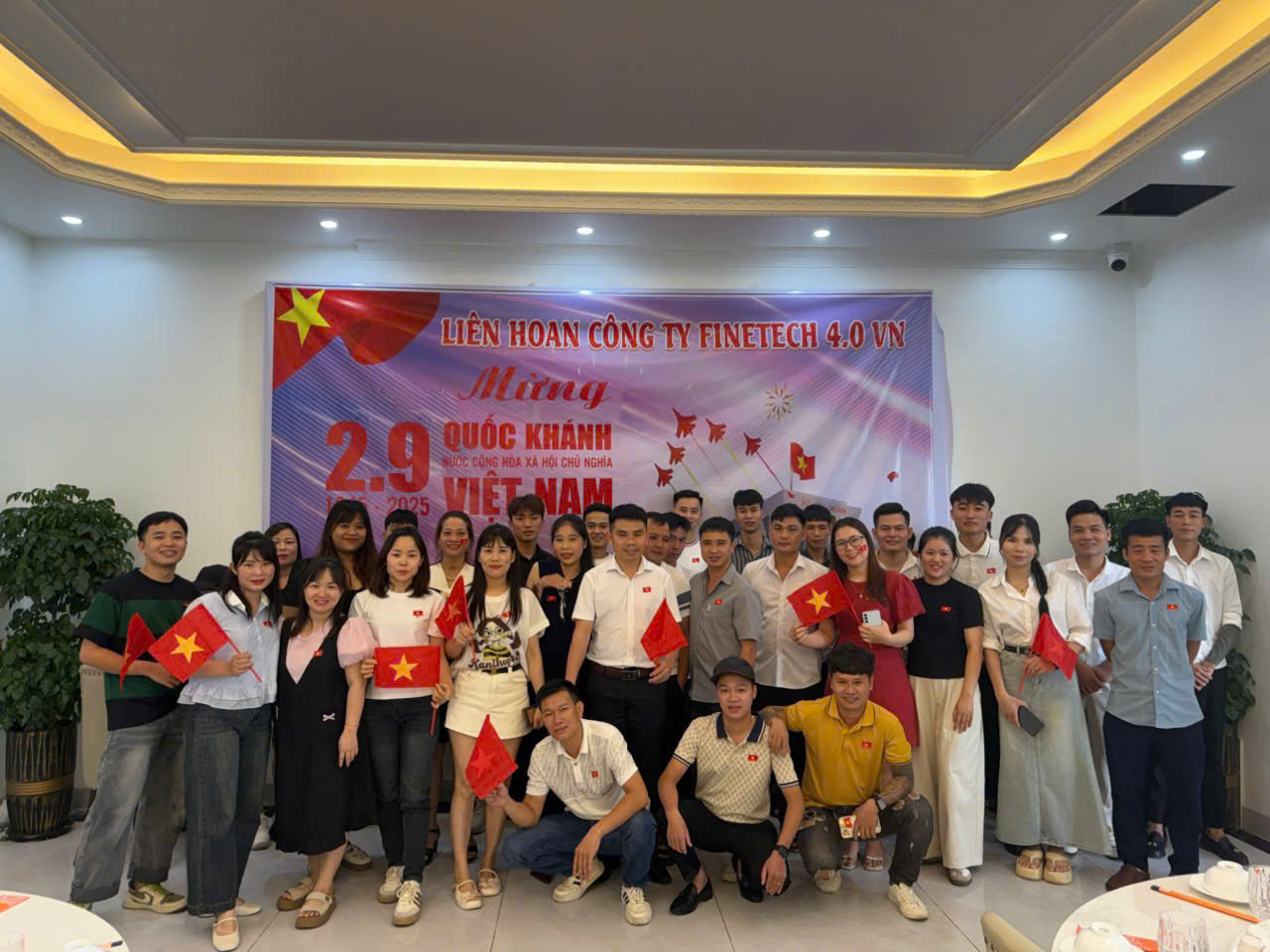
Strengthening Internal Communication & Building Corporate Culture
5.1. Role of Internal Communication in HR Management
-
Deliver consistent and timely information on strategies, changes, and policies.
-
Build trust between employees and leadership.
-
Encourage sharing and feedback to identify issues early.
-
Enhance collaboration across departments and employee engagement.
5.2. Effective Internal Communication Solutions
-
Regular company-wide meetings.
-
Internal newsletters or communication groups.
-
Anonymous feedback channels and periodic surveys.
-
Recognition of outstanding individuals or teams.
-
Team-building and social interaction activities.
5.3. Building a Sustainable Corporate Culture
Corporate culture cannot be imposed top-down; it must be nurtured by both leaders and employees. A strong culture shapes behaviors, collaboration, and decision-making.
Key elements include:
-
Clear core values.
-
Consistent leadership behavior.
-
A culture of sharing and learning.
-
Respect for diversity and individuality.
5.4. Key Considerations
-
Leadership involvement is critical.
-
Culture is reflected in daily actions, not slogans.
-
Regularly assess cultural “temperature” via surveys, satisfaction levels, and turnover rates.
6. Data-Driven Human Resource Management (Data-driven HR)
In the era where data is a strategic asset, HR management must be guided by data rather than intuition. Data-driven decisions help organizations accurately assess workforce conditions, identify risks early, and implement practical HR solutions for sustainable development.
6.1. Benefits of Data-Driven HR
-
Provide an objective and comprehensive view of the workforce.
-
Improve accuracy in recruitment, training, retention, and development decisions.
-
Analyze trends and predict risks such as turnover or productivity decline.
-
Enable evidence-based leadership decisions.
6.2. Key HR Data to Track
-
Performance data (KPI, OKR results).
-
Turnover rates and reasons.
-
Recruitment costs and time-to-hire.
-
Training and development data.
-
Employee engagement metrics.
6.3. How to Start Implementing Data-Driven HR
-
Define clear measurement goals.
-
Use integrated HR software platforms.
-
Establish regular reporting systems.
-
Analyze root causes, not just surface numbers.
-
Ensure data security and privacy compliance.
6.4. Key Considerations
-
Data only creates value when properly analyzed.
-
Combine quantitative data with qualitative insights.
-
Transitioning to data-driven HR requires time, processes, and leadership alignment.
7. Developing Middle Management Capabilities
Middle managers play a critical role in translating leadership strategies into practical actions and bridging communication between leadership and employees. However, they are often the weakest link due to insufficient training or empowerment.
Investing in middle management development improves team performance, reduces senior leadership burden, and builds a strong leadership pipeline.
7.1. Role of Middle Managers in HR Management
-
Directly manage team performance and development.
-
Translate strategy into actionable departmental plans.
-
Resolve conflicts before escalation.
-
Serve as effective communication bridges.
7.2. Core Competencies to Develop
-
Leadership and team management skills.
-
Communication and feedback skills.
-
Problem-solving and decision-making abilities.
-
HR management knowledge.
-
Strategic thinking linked to performance.
7.3. Effective Development Solutions
-
Specialized leadership training programs.
-
One-on-one coaching or mentoring.
-
Regular capability assessments and 360-degree feedback.
-
Empowerment through real-world challenges.
-
Clear career progression pathways.
7.4. Key Considerations
-
Development must be accompanied by real authority and responsibility.
-
View this as a long-term investment.
-
Middle management development directly impacts engagement, performance, and morale.
8. MINA VINA – Your Long-Term Workforce Partner
MINA VINA (MINA TECH) offers end-to-end workforce solutions for manufacturers, combining:
-
General labor supply for assembly, packaging, and basic operations
-
Skilled & technical workforce for maintenance, QC, and specialized tasks
-
Outsourced staffing models to reduce HR overhead
Our solutions are flexible for contract, project, or long-term engagements, allowing businesses to stay focused on core operations while ensuring workforce continuity.
🔗 Learn more:
9. Benefits of Long-Term Workforce Solutions
✔ Employee retention and workforce stability
✔ Enhanced productivity and product quality
✔ Reduced recruitment & training overhead
✔ Lower operational risk and labor cost
✔ Greater adaptability to market changes
10. Conclusion
Effective human resource management not only ensures smooth operations but also builds a solid foundation for sustainable growth. In an increasingly competitive environment, modern HR solutions—from strategic alignment and technology adoption to team development—are key to retaining talent and enhancing long-term performance.
Companies do not need to implement everything at once; instead, they can selectively apply solutions that fit their size, goals, and development stage. Most importantly, organizations should build a flexible, people-centered HR system that is ready to adapt to market changes.
MINA TECH VN PRODUCTION AND TRADING SERVICES COMPANY LIMITED
Sorting services, visual inspection, product classification, and OK/NG separation in compliance with customer quality standards.
Contact Information
- Hotline: 0368590176
- Branch 1: KCN Yên Bình, Phổ Yên, Thái Nguyên
- Branch 2: Thị Trấn Bích Động, Việt Yên, Bắc Giang
- peter.nguyen@minavina.com
- Provided Services: Sorting, Human Resource Supply and Labor Leasing, Electronics Assembly, Sorting services