


ISO-Compliant Rework Process – A Sustainable Quality Control Framework for Manufacturing
In the context of globalized manufacturing, businesses are facing increasing pressure regarding product quality, delivery schedules, and operating costs. Any mistake in the production process can result in defective products (NG), leading to financial losses, damaging brand reputation, and even disrupting the supply chain.
1. Overview of Rework in Modern Manufacturing
In today’s highly competitive and globalized manufacturing environment, companies face increasing pressure to maintain high product quality, stable delivery schedules, and optimized production costs. Even with advanced quality management systems in place, non-conforming products (NG – Not Good) are sometimes unavoidable due to human error, machine deviations, material inconsistencies, or process instability.
Rework has therefore become a critical operational solution that allows manufacturers to:
-
Recover value from defective products
-
Reduce material waste and scrap
-
Maintain delivery commitments
-
Protect customer satisfaction
However, without a structured and controlled framework, rework can easily become a hidden source of risk, leading to repeated defects, audit failures, and uncontrolled costs. This is why an ISO-compliant rework process is essential.
2. What Is Rework? Rework vs. Repair vs. Scrap
Rework refers to the controlled process of correcting or modifying a non-conforming product so that it fully meets the original design specifications and quality requirements.
It is important to distinguish rework from other corrective actions:
| Term | Purpose | Value Retained |
|---|---|---|
| Rework | Restore product to full compliance | High |
| Repair | Make product usable with deviation | Medium |
| Scrap | Discard product | None |
Under ISO 9001, rework is permitted, but it must be:
-
Documented
-
Approved
-
Traceable
-
Verified after execution
Uncontrolled rework is considered a quality risk.
3. Why Rework Must Comply with ISO 9001
ISO 9001 does not prohibit rework. Instead, it requires organizations to ensure that nonconforming outputs are properly controlled to prevent unintended use or delivery.
Key ISO requirements related to rework include:
-
Identification and segregation of NG products
-
Formal approval before rework execution
-
Verification after rework
-
Records maintained for traceability
-
Corrective and preventive actions (CAPA)
🔗 Related service:
👉 Sorting & OK/NG Classification Services
https://minavina.com/
4. Core Principles of an ISO-Compliant Rework Process
An effective ISO-compliant rework process must be built on the following six principles:
-
Clear segregation of OK, NG, Rework, and Scrap products
-
No unauthorized design changes during rework
-
Competency-based workforce performing rework
-
Quality integrity maintained after rework
-
Complete documentation and traceability
-
Focus on prevention, not just correction
These principles ensure that rework strengthens—not weakens—the overall quality management system.
5. Structure of the ISO-Compliant Rework Process (8 Steps)
Step 1 – Detection and Recording of NG Products
NG products may be detected through:
-
QC/QA inspections
-
Sorting operations
-
Customer feedback
-
Internal or external audits
Each NG case must be recorded using standardized forms.
Step 2 – Segregation and Identification
NG products must be:
-
Clearly labeled
-
Physically separated
-
Stored in designated quarantine areas
Failure at this step is one of the most common audit nonconformities.
Step 3 – Rework Feasibility Classification
NG products are classified as:
-
Reworkable
-
Conditionally reworkable
-
Non-reworkable (Scrap)
This decision must be approved by authorized personnel.
Step 4 – Root Cause Analysis
Root cause analysis tools include:
-
5 Why analysis
-
Fishbone (Ishikawa) diagram
-
Pareto analysis
The goal is to eliminate recurrence, not just correct symptoms.
Step 5 – Rework Planning
A formal rework plan defines:
-
Rework steps and methods
-
Required skills and tools
-
Risk assessment
-
Acceptance criteria
Step 6 – Rework Execution Under SOP
Rework must be:
-
Performed strictly according to SOP
-
Supervised by qualified personnel
-
Free from unauthorized adjustments
🔗 Professional support:
👉 Rework Services – MINA VINA
https://minavina.com/
Step 7 – Post-Rework Quality Verification
Reworked products must undergo:
-
100% inspection or defined sampling
-
The same acceptance criteria as original OK products
Step 8 – Documentation and Continuous Improvement
Rework data must be analyzed to:
-
Identify defect trends
-
Improve upstream processes
-
Reduce future NG rates
6. Rework Workforce – A Critical Success Factor
Personnel performing rework must:
-
Demonstrate technical competency
-
Understand quality standards
-
Follow strict discipline and documentation
Many manufacturers choose outsourced rework services to ensure:
-
Skilled manpower availability
-
Rapid deployment
-
Reduced internal workload
7. Integrating Rework, Sorting, and Visual Inspection
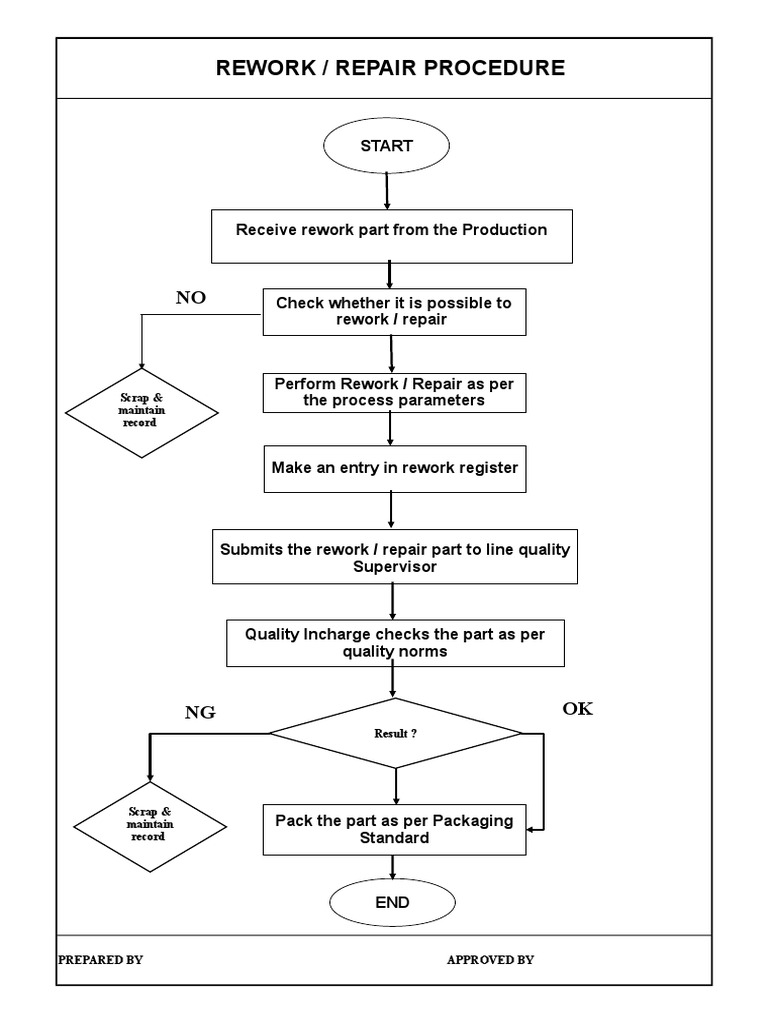
An effective ISO-based quality system integrates:
-
Sorting to detect defects
-
Visual inspection to classify NG
-
Rework to correct defects
-
ISO controls to manage the entire lifecycle
This integrated model is widely adopted by FDI manufacturers.
8. Economic Benefits of ISO-Compliant Rework
-
20–40% cost savings vs. re-manufacturing
-
30–60% reduction in recurring defects
-
Improved on-time delivery rate
-
Higher customer audit scores
9. MINA VINA – Your ISO-Compliant Rework Partner
MINA VINA (MINA TECH) provides:
-
On-site rework services
-
Integrated sorting, inspection, and rework
-
ISO-trained manpower
-
Transparent reporting and traceability
📞 Call / WhatsApp / Zalo: +84 368 59 0176
🌐 Website: https://minavina.com/
10. Conclusion
An ISO-compliant rework process is not merely a corrective action—it is a strategic component of sustainable quality management. Organizations that implement it correctly achieve lower costs, higher customer trust, and long-term operational stability.
MINA TECH VN PRODUCTION AND TRADING SERVICES COMPANY LIMITED
Sorting services, visual inspection, product classification, and OK/NG separation in compliance with customer quality standards.
Contact Information
- Hotline: 0368590176
- Branch 1: KCN Yên Bình, Phổ Yên, Thái Nguyên
- Branch 2: Thị Trấn Bích Động, Việt Yên, Bắc Giang
- peter.nguyen@minavina.com
- Provided Services: Sorting, Human Resource Supply and Labor Leasing, Electronics Assembly, Sorting services